If you’re a small business owner, you’ve probably heard it a hundred times: you need to be on social media. And maybe you’ve thought , do I really? You’re already juggling customers, inventory, employees, and about ten other things at once. Who has time to post on Instagram?
Here’s the honest truth: social media marketing for small businesses is no longer optional. It is one of the most powerful, cost-effective tools available to grow your brand, attract new customers, and compete with companies ten times your size. In 2026, the businesses showing up consistently online are winning customers, building loyalty, and leaving their competitors behind.
In this guide, we’ll walk through exactly why and with real data, practical examples, and a clear starting point for businesses at every stage.
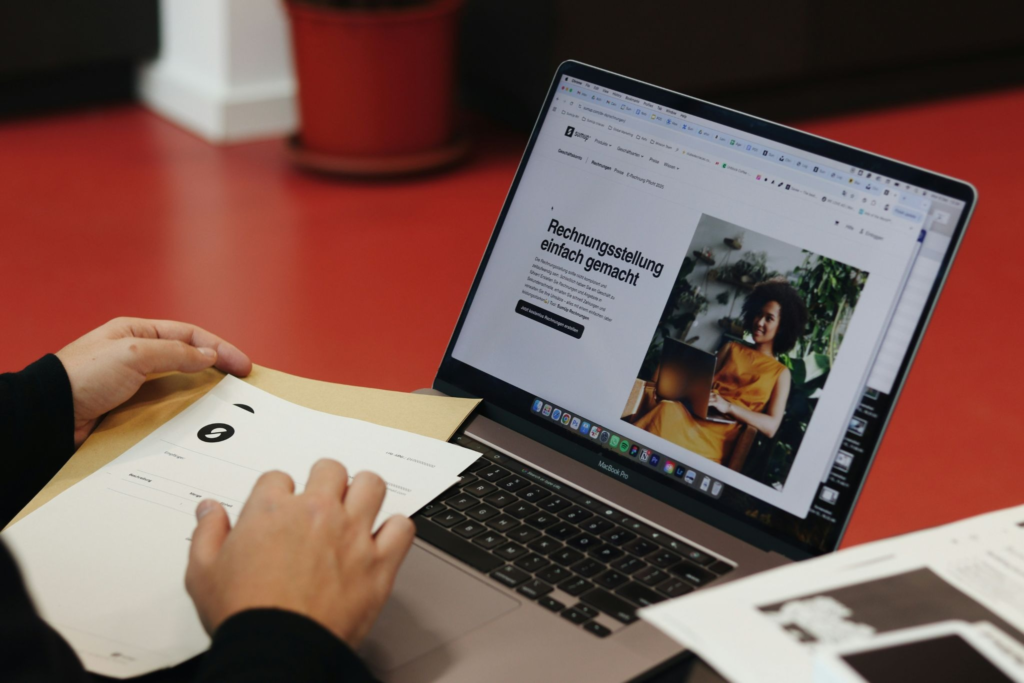
Alt text: Small business owner working on a laptop with social media marketing tools open on screen
The Social Media Landscape in 2026: A Pivotal Year for Small Business
The numbers tell a clear story. Social media has grown from a niche networking tool into the world’s largest marketplace for attention — and for small businesses, attention equals opportunity.
| Stat | Figure |
| Social media users worldwide | 5B+ |
| Consumers who discovered a brand via social media | 73% |
| Average daily time spent on social platforms | 4.2 hrs |
Sources: Sprout Social Social Media Statistics 2026; Hootsuite Social Trends Report 2026
According to Sprout Social’s 2026 Social Media Statistics, there are now over 5 billion active social media users globally more than 62% of the world’s population. These aren’t passive scrollers. They’re researching products, reading reviews, watching demos, and making purchasing decisions in real time.
The Hootsuite Social Media Trends 2026 Report confirms a major behavioral shift: consumers now use social platforms the way they once used Google — as a primary search and discovery tool. For small businesses, this means your social presence is often the first impression a potential customer gets of your brand.
And 2026 is a particularly important year to act. Algorithm changes on Instagram, TikTok, and Facebook are currently rewarding consistent, authentic content from smaller accounts giving local and independent businesses a rare window to build organic audiences before competition tightens further.
“73% of consumers say they’ve discovered a new product or business through social media.” — Sprout Social, 2026
Section 1: The Cost Advantage – Social Media Beats Traditional Advertising
Let’s talk money first, because budget is almost always the top concern for small business owners. Traditional advertising – TV spots, radio, print, billboards – can cost thousands of dollars per placement with no guarantee of reaching your target audience. A 30-second local TV ad can run $1,500 to $5,000 or more. A full-page newspaper ad? Often $500 to $2,000 for a single run.
Social media flips that model entirely.
Creating a business profile on Instagram, Facebook, TikTok, or LinkedIn costs nothing. Posting content is free. Engaging with your community is free. And when you’re ready to run paid ads, the entry point is dramatically lower — you can launch a targeted campaign for as little as $5 to $10 per day and reach thousands of people in your specific geographic area, age range, and interest group.
But the real power lies in organic reach – content that spreads without paid promotion. Unlike a print ad that vanishes after one day, a well-crafted social post can keep driving traffic for weeks or months. A video tutorial, a customer story, or a behind-the-scenes look at your process can be shared, saved, and discovered by new audiences long after you hit “post.”
Consider this real example: a bakery in Denver posted a 30-second Reel showing their morning bread-making process. It received over 40,000 views organically – zero ad spend required. That kind of reach would cost thousands in traditional media. On social media, it cost them 10 minutes of filming.
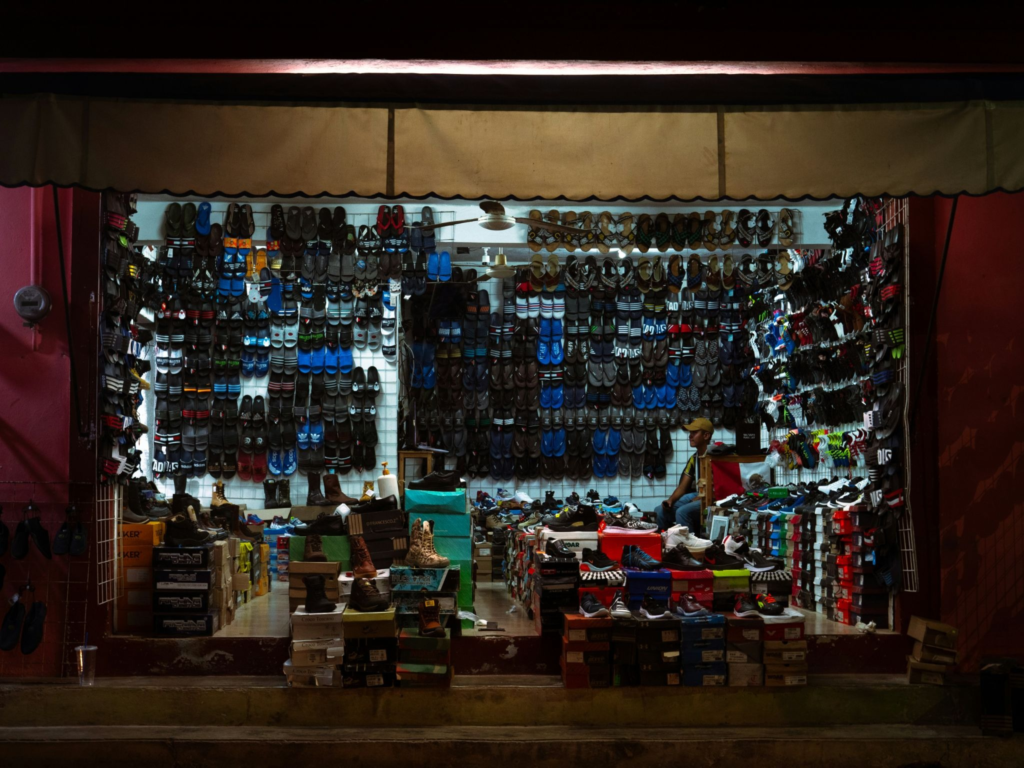
Alt text: Independent small business storefront on a local main street representing the opportunity for community-based social media marketing
Section 2: Customer Behavior – Your Audience Is Already Scrolling
Here’s a question worth sitting with: where does your ideal customer spend their free time? Adults in the US now spend an average of over 4 hours per day on their phones, with a significant portion on social platforms. For consumers aged 18–44, social media is the #1 channel for brand discovery – above search engines, word of mouth, and TV.
Research from Sprout Social on the Importance of Social Media Marketing shows that 78% of consumers say a brand’s social media presence affects their trust in that brand. Not their website. Not their ads. Their social media. This means your Instagram grid, your Facebook reviews, and your TikTok videos are directly influencing whether people become your customer.
Think about your own behavior. When someone recommends a new restaurant, you pull up their Instagram. Looking for a local contractor? You check Facebook reviews. Curious about a new product? You head to TikTok for real customer videos. Your customers are doing the exact same thing – with businesses in your industry, right now.
Platform selection matters as much as showing up. Each platform serves a different audience:
| Platform | Best For | Primary Audience | Content Type |
| Community, local services | Ages 30–60 | Posts, reviews, groups | |
| Products, food, fashion | Ages 18–45 | Photos, Reels, Stories | |
| TikTok | Discovery, video-first brands | Ages 16–35 | Short-form video |
| B2B, professional services | Ages 25–55, professionals | Articles, thought leadership | |
| DIY, home, food, fashion | Women 25–50 | Pins, idea boards |
Platform audience and content guide for small business social media strategy in 2026
You don’t have to be on every platform. But you do need to be on the right one for your audience and show up there consistently. Start with one or two platforms where your customers already spend time, master those, and expand from there.
You don’t need to be everywhere. You need to be where your customers are consistently.
Section 3: Brand Trust and Visibility – Consistency Builds Credibility
Have you ever searched for a business online and found a social media profile that hadn’t been updated in two years? Most people assume the business has closed or doesn’t care. A dormant social presence doesn’t just fail to help and it actively damages trust.
On the flip side, businesses that show up regularly sharing helpful content, responding to comments, and giving customers a window into the people behind the brand – build something money can’t easily buy: credibility before the first sale.
This is known as social proof. When potential customers see others liking your posts, leaving reviews, tagging your business, or sharing your videos, it signals: “This place is worth checking out.” Social proof is one of the strongest psychological drivers of purchasing decisions – and social media is where it lives.
Studies show that consumers are 71% more likely to make a purchase based on social media referrals. When your customers become advocates – even just by liking a post or tagging a friend – they’re doing your marketing for you. Earned trust like that is far more persuasive than any paid ad.
Consistency matters more than perfection. You don’t need a professional photography studio or a marketing degree. Even two to three posts per week, published regularly over time, can build significant brand recognition and audience loyalty.
Need help building a content routine that actually sticks? Check out our guide to creating content that connects with your audience and our deep dive into staying consistent with a content calendar ; two resources that can transform a scattered posting habit into a real strategy.
Alt text: Small business owner managing a social media content calendar and brand storytelling strategy on a computer
Section 4: The Competitive Reality – What Happens When You Go Silent
Here’s the uncomfortable truth: if you’re not showing up on social media, your competitors are — and they’re picking up the customers you’re leaving on the table. Social media marketing for small businesses has become table stakes in 2026. The advantage now belongs to those who do it well.
A widely-cited piece from Entrepreneur.com on the changing rules of social media marketing highlights that major brands are pouring larger budgets into paid social advertising, raising competition in that space. But here’s the good news: organic social content remains a level playing field — and smaller businesses actually have a structural advantage over large corporations.
Why? Because authenticity wins. Large brands spend enormous resources trying to appear relatable online. A small business owner sharing the real story of why they started, a day behind the counter, or a heartfelt community message does it naturally. And audiences respond with loyalty that no ad budget can replicate.
Here are two real-world examples of small businesses that grew through consistent social media strategy:
A local candle maker in Austin, TX began posting 60-second “how it’s made” videos on TikTok in early 2025. Within six months, she grew from 200 to 47,000 followers and increased monthly revenue by 340% — entirely through organic content with zero ad spend.
A family-run landscaping company in Ohio started posting before-and-after yard transformation photos on Facebook and Instagram. Within one year, 68% of new clients cited social media as how they found the business — replacing referral-only growth that had plateaued for years.
These aren’t outliers. They’re what happens when small businesses commit to a consistent, audience-first social media strategy. The businesses building these habits now are creating compounding returns — audiences that grow, content that ages well, and trust that accumulates over time.
Big brands can outspend you. They can’t out-human you. Your story, your people, your community — that’s your unfair advantage.
Section 5: Getting Started – A Practical Social Media Strategy for Small Businesses
Knowing why social media matters is only half the battle. The other half is building a social media strategy for small businesses you can sustain without burning out. Here’s a step-by-step framework:
Step 1: Audit Your Current Presence
Before creating anything new, take stock of what you already have. Do you have existing profiles? When were they last updated? What content performed best, even years ago? A quick audit gives you a baseline and helps you avoid starting from scratch unnecessarily.
Step 2: Choose One or Two Platforms – and Commit
The biggest trap is trying to be everywhere at once. Pick the platforms where your ideal customers already spend time. If you serve local consumers, Facebook and Instagram are typically the strongest starting points. B2B or professional services? LinkedIn is essential. Visual product or younger audience? Instagram Reels or TikTok may be your best lane.
Step 3: Set Realistic, Measurable Goals
“Go viral” is not a strategy. Better goals sound like: “Post three times per week for 90 days and track engagement rates,” or “Grow our Instagram following from 150 to 500 in six months.” Specific, measurable goals keep you accountable and help you see real progress.
Step 4: Build a Simple Content Mix
A healthy content mix for small businesses typically includes:
- Educational posts — tips, how-tos, and advice your customers actually want
- Behind-the-scenes content — showing the people and process behind your brand
- Social proof — customer reviews, testimonials, and user-generated content
- Promotional posts — offers and announcements (keep these to about 20% of your content)
- Engagement posts — questions, polls, and prompts that invite two-way conversation
Step 5: Optimize Every Post for SEO and Discovery
On-page SEO isn’t just for websites. Use relevant keywords naturally in your captions, write descriptive alt text for every image you post, use location tags when applicable, and include 3–5 targeted hashtags per post. On Instagram and TikTok especially, keyword-rich captions now directly influence who your content is shown to — even outside your existing followers.
Step 6: Engage Actively — Don’t Just Broadcast
Social media is a conversation, not a billboard. Respond to comments, especially in the first hour after posting. Ask questions in your captions. Engage with your followers’ content. Reply to DMs promptly. The more actively you engage, the more the algorithm surfaces your content and the more connected your audience feels.
Step 7: Track, Learn, and Adjust
Every major platform offers free analytics. Check them monthly. What content got the most reach? What drove website clicks? Which posts fell flat? Use these insights to refine your approach over time. The businesses that grow on social media aren’t the ones who get it right immediately – they’re the ones who keep iterating based on real data.
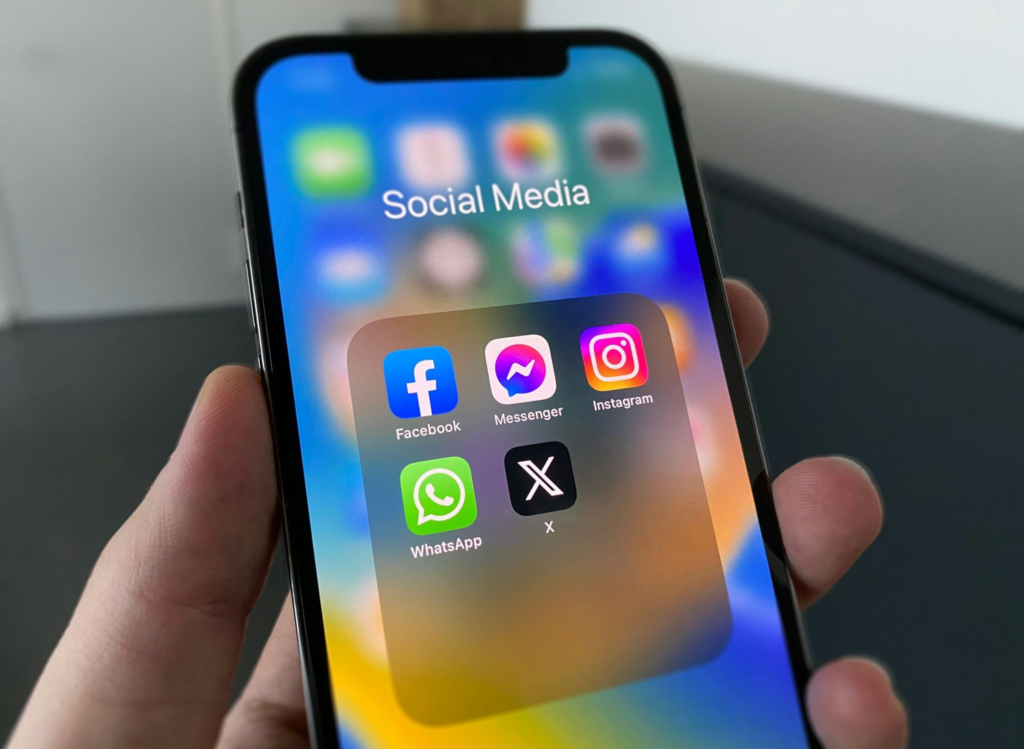
Alt text: Smartphone displaying social media platform app icons for small business marketing strategy in 2026
For a deeper dive into platform-specific tactics, the Hootsuite guide to social media marketing for small businesses is one of the most thorough free resources available. It covers choosing the right platforms, building a posting schedule, and tracking results all backed by Hootsuite’s own industry research.
The Best Time to Start Is Now
Social media marketing for small businesses isn’t about being perfect. It’s about showing up, being consistent, and building real relationships with the people who could become your best customers and your biggest advocates.
The numbers speak for themselves: over 5 billion people use social media globally, 73% of consumers discover new brands through social platforms, and 78% say a brand’s social presence directly affects their trust. In 2026, the question is no longer whether social media matters for your business. It’s how well you show up.
You don’t need a big budget, a large team, or years of marketing experience. You need a clear strategy, the right platform for your audience, and the commitment to show up consistently. Start with one platform. Post something this week. Respond to the first person who engages. Then keep going.
The businesses thriving in 2026 aren’t the ones with the biggest budgets they’re the ones that found their voice online and never stopped showing up. That can be you.
Ready to Build Your Social Media Presence? Download our free Social Media Starter Checklist — a step-by-step action plan to launch or relaunch your social media strategy. No experience required. Book a Free Consultation at talanoamarketing.com/contact/